
Transitioning from Home ABA to School
Transitioning from home-based ABA therapy to school can be a big adjustment for your child. New teachers, classmates, and routines may take some getting used to, and you might wonder whether the progress your child has made at home will carry over into the classroom.
Preparing for school may involve practicing classroom routines, learning to communicate with new people, and finding ways to handle unfamiliar situations. ABA and family support resources can help you work through these steps before school begins.
For planning with a school team, educational consultation and advocacy and family guidance can help you prepare questions and share your child’s needs.
Why Families Move from Home-Based ABA to a School Setting
Starting school can be a natural next step as a child grows, family needs change, or the child has opportunities to learn with peers. It doesn’t mean home-based ABA completely failed or that your child must meet a particular set of milestones before entering a classroom.
A child who communicates comfortably with a familiar therapist at home may need time to feel just as comfortable with teachers and classmates. School also introduces new routines, group activities, and opportunities to build friendships.
Some children continue home-based ABA while attending school. Others change their schedule or services. The plan depends on the child and family.
“Our goal is to create supportive and engaging environments where children can build independence, confidence, and lifelong skills through compassionate care. ”
ADVANCE TO THRIVE TEAM
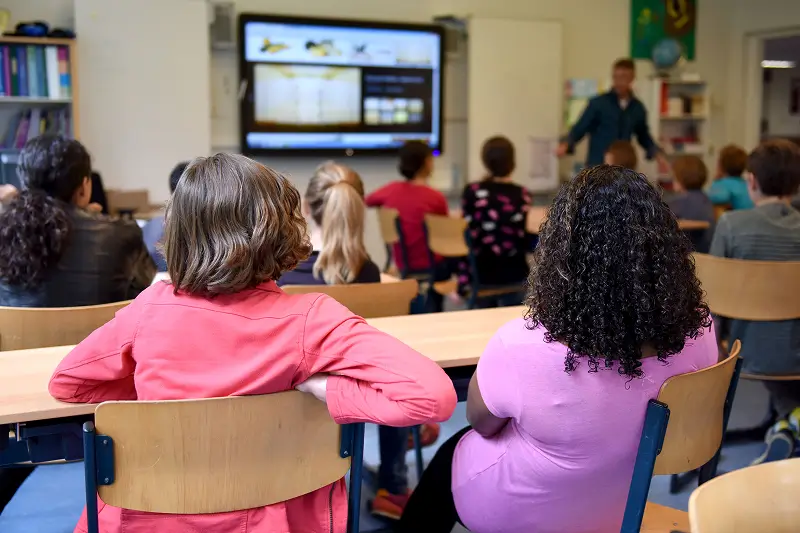
Skills That Help a Child Transition Successfully
Before your child starts school, their ABA team can help them practice skills they may use in the classroom. The specific goals will depend on your child’s abilities, communication preferences, and support needs.
Communication and Self-Advocacy Skills
Your child can practice asking for help, requesting a break, making choices, and letting others know when something is uncomfortable. These skills can make it easier for teachers and other school staff to understand what your child needs.
Children may communicate through speech, gestures, sign language, or assistive communication devices. Whatever method your child uses, teachers and other adults should understand how to recognize and respond to their needs.
Following Group Instructions and Routines
School involves moving between activities, waiting for turns, and following group instructions. Practicing some of these routines at home or in the community may help your child become more comfortable with them. Visual schedules and familiar cues can also make transitions easier.
With the right support, your child can become more comfortable participating in classroom activities at their own pace.
How Your Home ABA Team Coordinates with the School
With your permission, your child’s ABA team can share information with school staff about their communication needs, sensory preferences, and strategies that have worked at home. A short written summary can help teachers understand how to support your child in the classroom.
Regular communication between your child’s teachers and ABA team can help everyone understand which strategies are working.
You can also share what you’re noticing at home, including any changes in behavior, communication, or comfort. Collaborative care can help connect people supporting a child across settings.
Your child’s school determines which educational services and supports they qualify for. Your ABA provider can share recommendations and observations, but the school makes decisions through its own evaluation and planning process.
Working with the School on an IEP or 504 Plan
An Individualized Education Program (IEP) outlines special education services and supports for eligible students. A 504 plan provides accommodations to help students with disabilities access school activities and learning. Your child’s school can explain the evaluation process, while you can share information about what helps your child at home.
Before meeting with the school, write down strategies that help your child communicate, handle changes in routine, or feel comfortable in busy environments.
Ask teachers how they plan to use those strategies and how they’ll keep you informed about your child’s progress. With your permission, your ABA provider can also share observations that may help the school team.
Supporting Your Child Emotionally Through the Change
Your child may feel more tired than usual, need extra reassurance, or have a harder time with routines after school. These changes can happen as children adjust to a new environment, even when the transition is going well.
You can help your child prepare by showing them what a typical school day might look like. Visiting the classroom, practicing the trip to school, or using a visual schedule may help make the new routine more familiar.
Try to keep familiar routines at home and pay attention to signs that your child may be overwhelmed or uncomfortable. Share any concerns with their teachers and ABA team so you can work together to make adjustments.
Getting Support during the Transition
Preparing for school can bring up questions about your child’s needs, classroom support, and how ABA therapy may fit into their new routine.
Advance to Thrive offers support for families navigating ABA and school services.
Reach out to the team to talk about educational consultation, coordination, or what may help your child prepare for a new setting.

Frequently Asked Questions about Transitioning to School
What age do most children transition from home ABA to school?
Children may begin school while continuing home-based ABA therapy, or their treatment schedule may change as they grow. There isn’t one age when home-based ABA must end. Your child’s needs and available school services can help guide the decision.
Will my child still receive ABA support once they’re in school?
Possibly. Some children continue home-based ABA while attending school. Others receive school-based behavioral support or adjust their therapy schedules. Your child’s ABA provider and school team can help explain which services are available and how they may work together.
How do I prepare the school for my child’s needs?
Tell the school about your child’s communication needs, sensory preferences, daily routines, and strategies that work well at home. You can also ask about evaluations, classroom accommodations, and whether your ABA team can participate in planning discussions.
What if the transition doesn’t go smoothly?
Talk with your child’s teachers and ABA team about what’s happening. Share specific concerns, such as trouble with transitions, increased anxiety, or difficulty communicating needs. Together, you can review what’s working and decide whether changes to the support plan may help.
Getting Support for the IEP Process
The first IEP meeting can bring a lot of new language and decisions into a room where you are already a bit overwhelmed thinking about your child’s needs. You don’t have to figure out every part of the process alone.
Advance to Thrive offers educational consultation and school support for families and school teams navigating IEP planning, accommodations, and coordinated support.
Sources:
- Treatment and Intervention for Autism Spectrum Disorder – Centers for Disease Control and Prevention
- Educational and School-Based Therapies for Autism – Eunice Kennedy Shriver National Institute of Child Health and Human Development
- Autism Spectrum Disorder – MedlinePlus
- Parent and Educator Resource Guide to Section 504 in Public Elementary and Secondary Schools – U.S. Department of Education
Sign Up Today!
Secure your child’s spot in a small, virtual group. Watch them grow in confidence, build friendships, and have fun learning social skills. Secure your child’s spot in a small, virtual group. Watch them grow in confidence.